God of Battles Available Now!

GoB_LOGO on white webFoundry have added God of Battles to their website, so if you want to grab a copy now you can!

I’ll be posting some more articles on various aspects of the game design over the next few days. As ever, if you have any specific questions about it then ask away 🙂

Great to see it finally available!

Posted in God of Battles | 2 Comments

God of Battles Designer’s Notes: Formed and Loose

GoB_LOGO on white webOne of the core concepts for God of Battles is that all units fall into one of two broad types: Formed and Loose.

Formed units are the sort of regiment you’ve seen in Kings of War, Warhammer or any other game where troops fight in ranks and files, shoulder to shoulder (base to base). In God of Battles this has a fixed formation of 4 models wide with the Leader in the front rank. Depth depends on the number of models listed as part of the unit. This formation only changes as a result of losses in battle.

Loose isn’t a reference to their morals; it simply describes the unit’s formation which is loosely scattered. The models simply have to remain within 4 inches of their Leader and their positioning can change every turn. Easy. This is the classic skirmish unit and works equally well for the nymphs in Quithnilian’s armies and the psychotic beastmen of the Blood Gorged tribes.

Orcs_Vs_Elves

This picture shows a unit of mercenary ogre gunners (Loose) facing a couple of units of City Guard (Formed), deployed side by side to form a continuous line. The visual difference between unit types is clear, regardless of the exact models used in each unit. Rules are always easier to remember when they reflect something that’s plainly visible on the tabletop.

In the game the concept of Formed and Loose underlies many rules. Movement is more restrictive for Formed units, arcs different, numbers of models who can get to the front to fight change, and so on. As it makes a vast difference in how individuals fight in reality, so it does in the game. It’s also an excellent shorthand for other units like chariots and cannons. Small, light things generally count as Loose for movement, whilst heavy and cumbersome things count as Formed. It’s all straightforward and easy to remember and allows me to reduce the number of extra rules I need when adding war engines, chariots and monsters.

Loose units are easy to use with the ability to move in any direction and no flanks to worry about. They are fast and flexible. Formed units tend to be bigger and slower. They take more generalship to get the most out of, but when you know what you are doing with them you can shut down a predominantly Loose army completely.

Part of the trick with Formed units is understanding Threat Areas and how to use them. These are an imaginary area which every unengaged Formed unit projects 8 inches directly to its front. Within this zone an enemy unit can only move directly towards or directly away from the unit that projects it. This ability to pin and control the enemy units can be very potent indeed, though it takes a bit of practice to get the most out of it.


View From The Top

The interplay between Formed and Loose units within an army is an interesting puzzle. How many Formed units do you want for a battle line? More is better, but all will be vulnerable. One word: flanks. Dropping back the end unit of a Formed line can protect the flank of the next unit with its Threat Area, and this use of deployment in echelon works very nicely. But who guards their flank? The reason that most Ancient armies included a few light (Loose) troops is replicated here as they perform their historical duties of flank protection and baggage raiding.

One thing that has worked out very well in GoB is this mirroring of real tactics. Obviously it’s still a game with myriad abstractions, but in the main it is proper tactics and considerations that will help you most. The simple Formed/Loose breakdown allows that to be memorised early, and after that you are left to think like a general.

Command your army, not your men.

And armies are the level to consider this. One major difference between the various armies is their mix of Formed and Loose units. Some are entirely comprised of Loose units, such as the Blood Gorged or Godless. Their battle lines are fluid and ever-moving, adapting to the enemy’s actions like water round rocks. With less ability to hold a fixed line securely they often focus on attack.

A few armies are almost all Formed. Quithnilian’s elves are an example of this. However none lack even a single Loose option as these are so important for flanking duties. In the case of the imperial elves it is the nymphs who perform this duty. Even so, these armies rely on their Formed units to fight the bulk of their battles. They suit generals who want more predictable armies who follow set plans. Controlling the battlefield and the enemy is often an aim of such forces.

The majority of armies allow you to choose the mix of Formed and Loose units when you select the army from the list. There are enough choices to pick the kind of force you want to fight with today, against this foe, and you might find yourself tinkering with the army composition frequently, striving for that elusive perfect balance.

Posted in God of Battles | 15 Comments

Dropzone Commander Review: Post-Human Republic Starter Army Unboxing

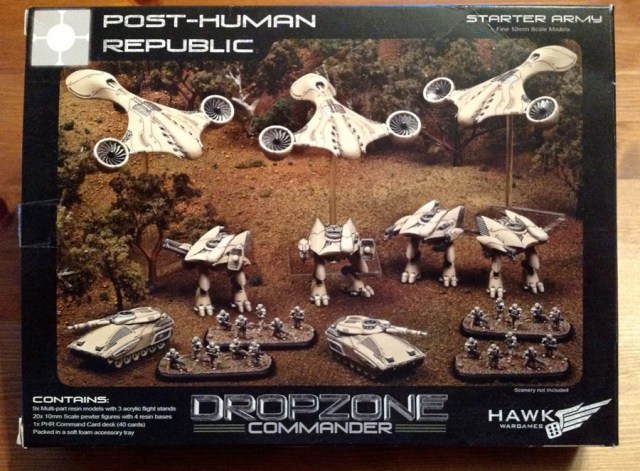
PHR box front

This is the second starter set I’m looking at for the Dropzone Commander game from Hawk Wargames, and very pretty it is too. I’ll try not to repeat myself too much, so it might be worth you looking back at the first unboxing as a lot of the same things hold true here too.

So here we are: 500 (and a bit) points of smooth and sleek post-humans.
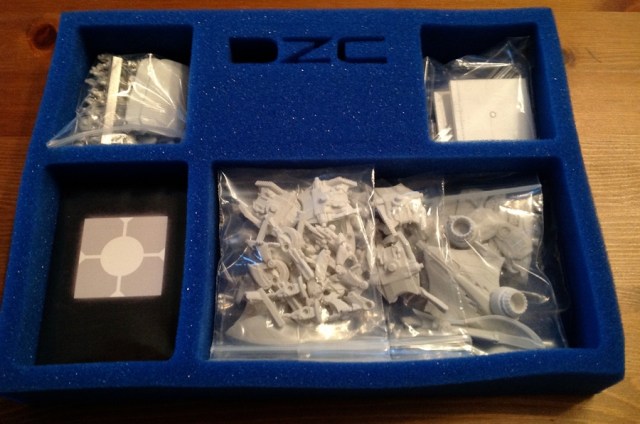
PHR box contents

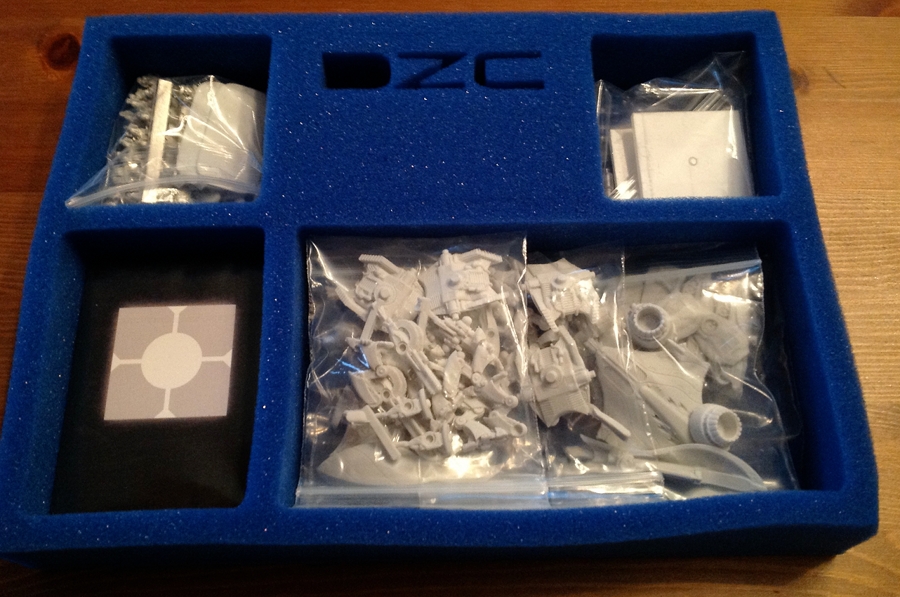
Once inside we have the familiar blue KR foam tray laid out in exactly the same way as before: infantry top left with cards below, flight stands on the top right and the big pile of goodies in the front. Looking good so far.
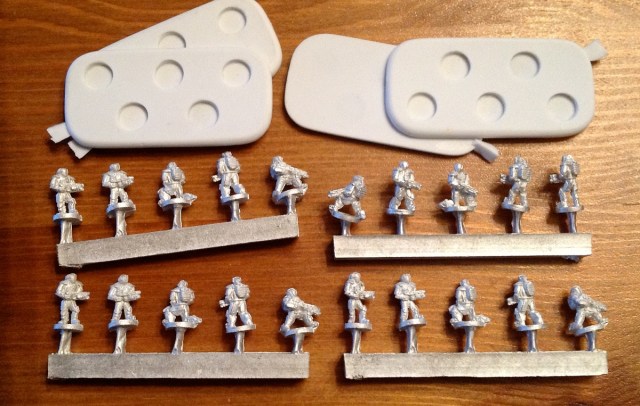
PHR inf

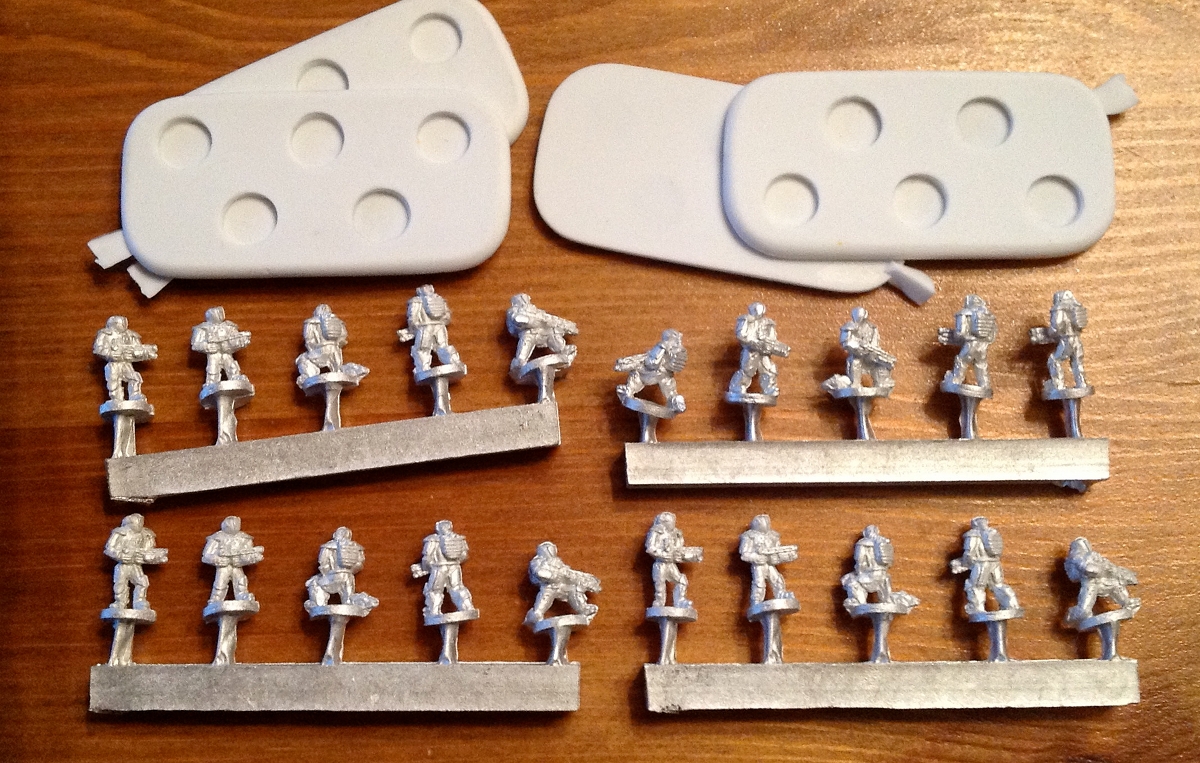
The PHR foot are a bit smaller than the Shaltari, so you get 5 to each base instead of 3. Again, the resin bases are made to fit this type of squad with no spare holes. Have a close look at the troopers. There’s a nice level of detail and a selection of different poses to make the stand look more interesting. I’m thinking of maybe mixing up the squad poses from each strip so that one base might be all standing up whilst another has collectively “taken a knee”. That would give each stand its own character which might look cool.

I’ll skip past the flight stands and cards which are of the same quality as in the other box. Just to be clear though: the cards are a different deck as each faction gets its own.
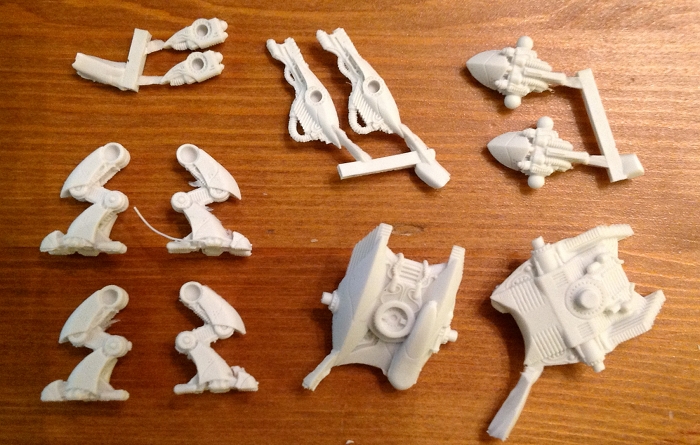
PHR walkers 1

Walkers.

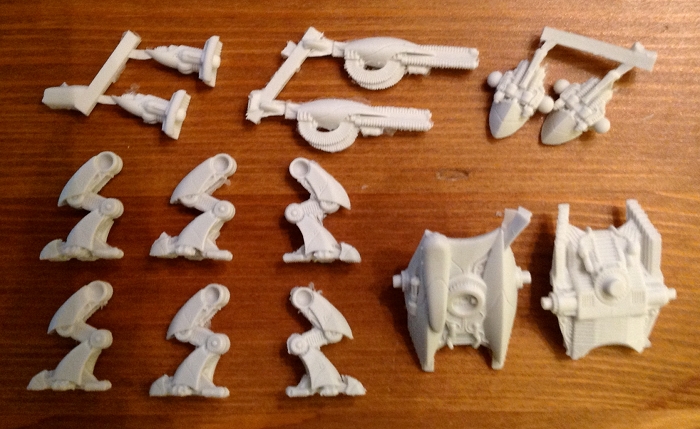
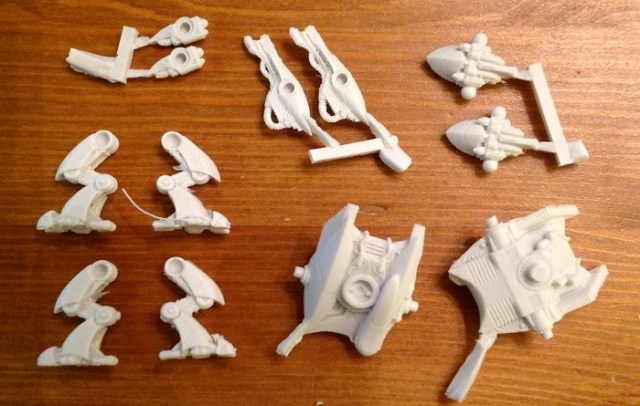
PHR walkers 2

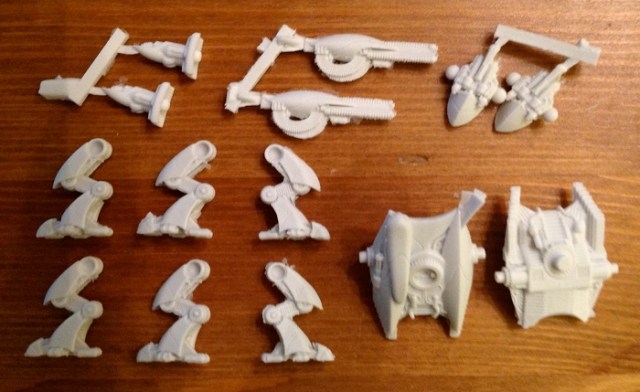
More walkers. I haven’t got the rulebook to hand so I can’t remember which walkers are which. One lot are Ares battle walkers and the others are Phobos. There’s two of each and the difference is in the weapons fit. Note in the second shot that I’ve got two extra right legs. The box was mispacked, but in my favour (as it were). The funny bit on the top right of each picture is the walker’s “pelvis”. Took me a moment to see that. As always with Hawk, there’s loads of nicely rendered detail all over these models, including in places you’ll probably never see once they’re assembled. The detail contrasts nicely with the faction’s signature smooth planes.
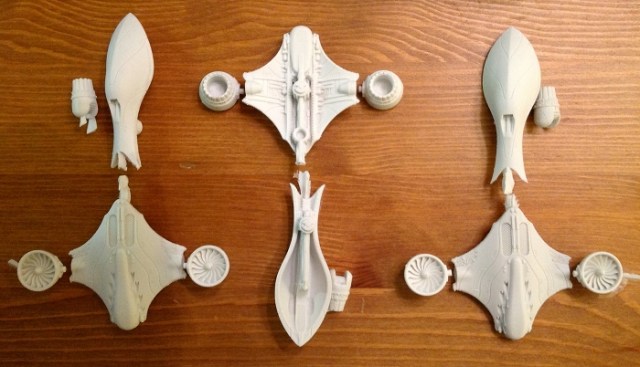
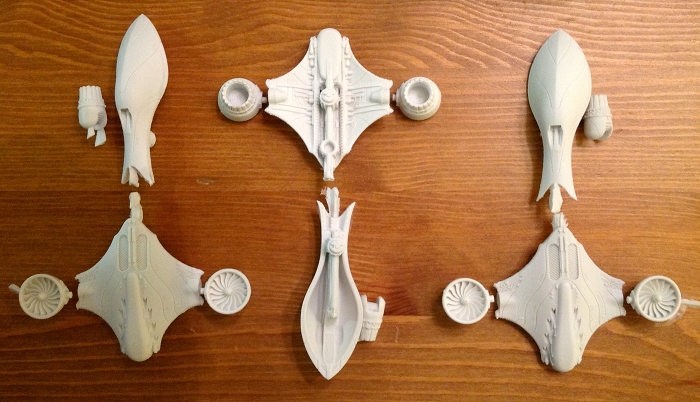
PHR Neptunes

Three sleek Neptune medium dropships. These puppies are actually quite large.
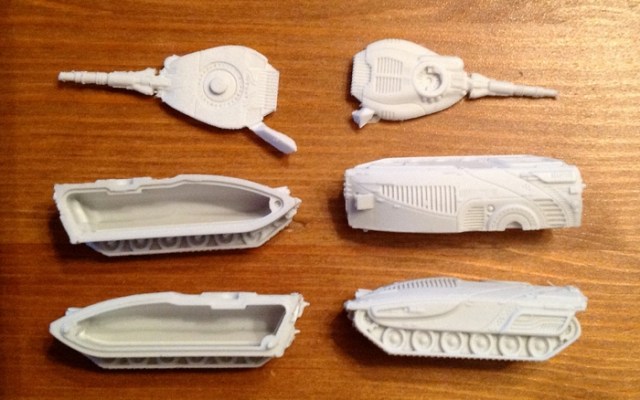
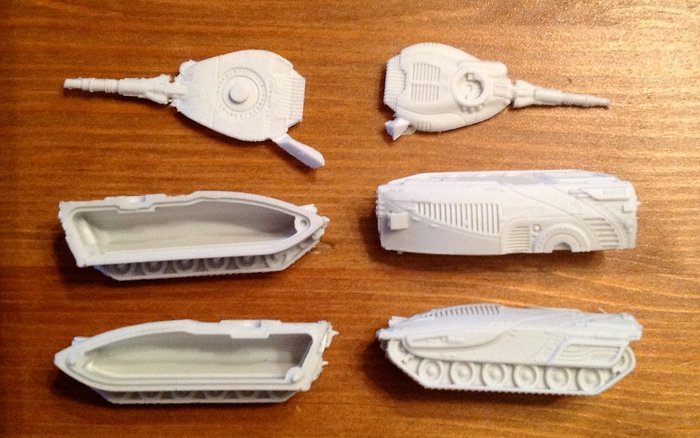
PHR Junos

And the lovely Junos. Always have a soft spot for tanks, even when they’re really IFVs.


Quality Control

Following the same logic as before, I want to have a look at the casting and general quality of the models themselves. Talking to the Hawk chaps it seems like I got a bit of a duff box here, though having said that there is only one piece that I would simply not try to fix. Even that is from a non-obvious bit of the model.

There are a few issues here. The first is with a couple of bubbles in the lift fans for the Neptunes. because the detail is so fine it would be a bit of a pain to fill these cleanly. Possible, but fiddly. Note that I’m talking about bubbles less than a mm across, possibly less than half that. But like I said, I’m letting my picky side out to push this a bit. I expect many people would either not notice or not care about this very minor bubbling, or simply count it as battle damage. I’ve seen as much in photos of models painted by other people.
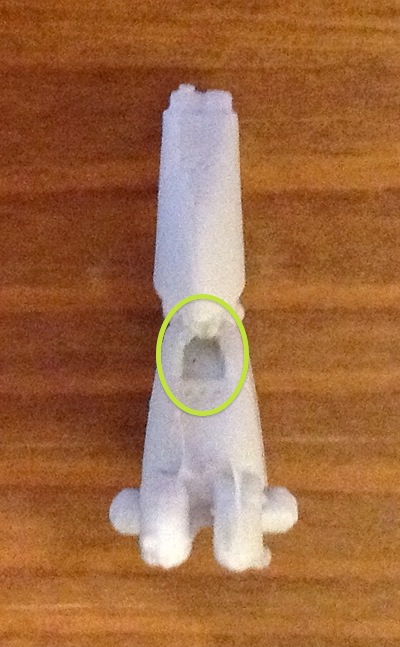
PHR leg as it should be

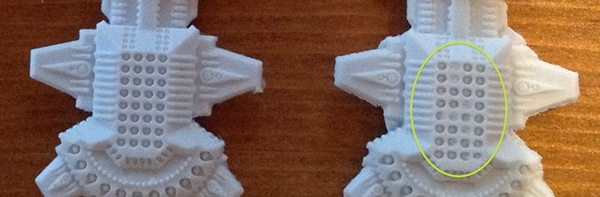
This is a close up of one of the walker’s legs from the front. The yellow circle shows a near rectangular slot into which the upper leg would fold as it bend forward (if it were real, of course).

About 70% of the legs in the set had this slot filled in to some degree or other. This is a sign of the moulds needing replacing, and Hawk have double checked and retired some. They said it should have been retired before this.  Again though, I’m being super picky. When the model is assembled and on the table you’ll have to be right down at the same level to see this because the upper leg and chassis overhangs and shadows it. Anyway, just saying. The rest of the leg was fine in every case. I mentioned this to Hawk as I thought that it might be helpful for their QC by saying something about the moulds (which it seems to have done), and told them so, but I wasn’t expecting replacements. They sent me a set anyway. To get back to the legs, you can also see in this poor picture, the small details such as a line of holes below the rectangle. Again, Hawk sticking detail where it’s all but invisible, just cos they can.
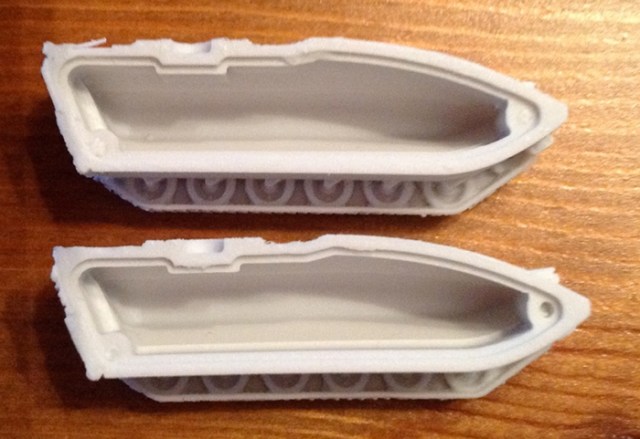
PHR Juno locating holes infilled

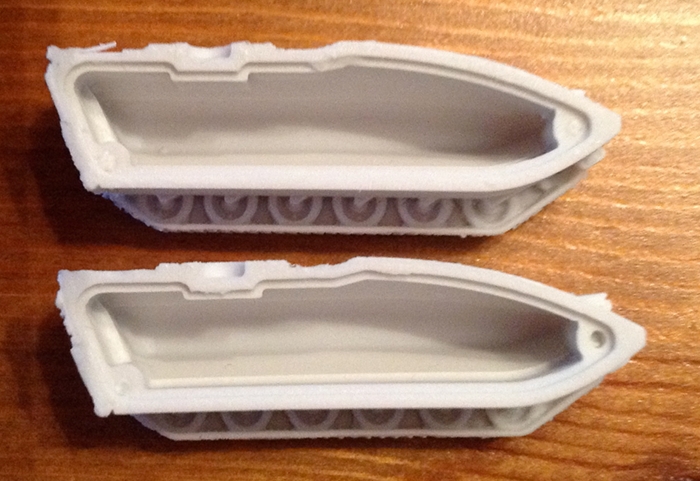
These are the left sides of the Junos. There should be two locating holes on each – one at the front and one at the lower back. You can see one on right of the lower one. You can also see that the other three holes have been infilled. I’ll come to the problems this causes in a minute. For the moment, it’s another example of an old mould.

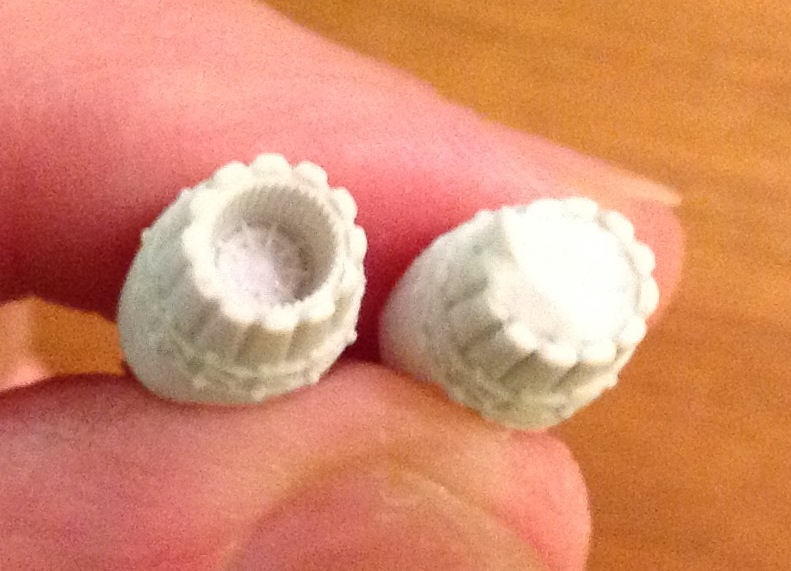
So far, so good. A little flashing and the odd bubble or infill. Nothing that normal clean up or a bit of a work around wouldn’t resolve. The next bit is the first of the real issues.PHR Neptune tail engine miscast
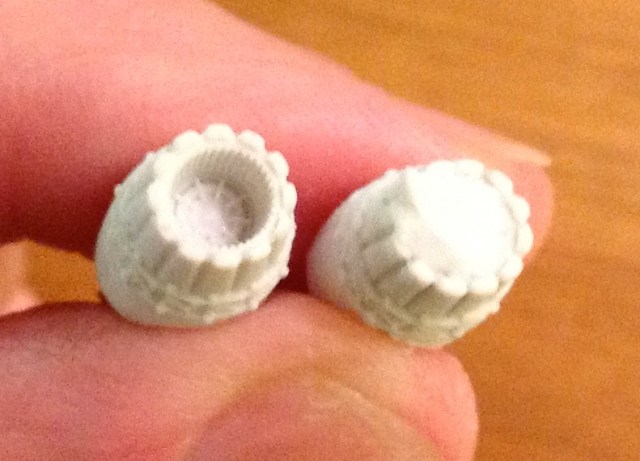
These are tail engine nacelles from a Neptune (they have one each). They live underneath at the back, so aren’t all that obvious. Anyway, the one on the left is fine. Despite my rubbish photography you can just make out all sorts of fine detail inside the nozzle. Very nice. The one on the right feels rough on the outside and is filled with what I can only describe as a scoop of resin that makes the whole thing look like a Mr Whippy ice cream. A clear miscast.

This was the only piece I thought was completely beyond fixing in terms of restoring it to what it should have looked like. I could actually have used it anyway, ignoring the roughness as being unnoticeable when painted in its mostly hidden position, and either painted the resin fill as smoke or flame or partially drilled it out and painted it black.

This doesn’t really bother me though. Hawk have exemplary customer services which makes any minor problems not problems at all. You might say that they shouldn’t have problems in the first place, but in the real world (especially with resin), bad things happen. How you deal with them is the real test.

Hawk responded to my emails courteously, promptly, and as soon as I told them of the miscasts they sent me back more replacements than I expected by return of post. What I also appreciated, and which people seldom bother to do, is that they told me a bit about why they had happened. I’m a curious fellow, and appreciate being treated like a grown up. Either way, top marks there.

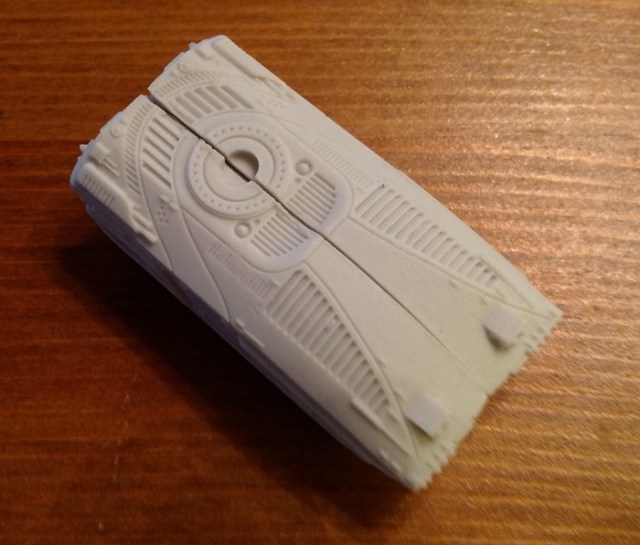
Whilst I don’t have an issue with the odd miscast, and know that the finer detail you try to include the more work you make for yourself, the following problem is a design one and it is an issue for me. The Junos’ hulls are split along their length.
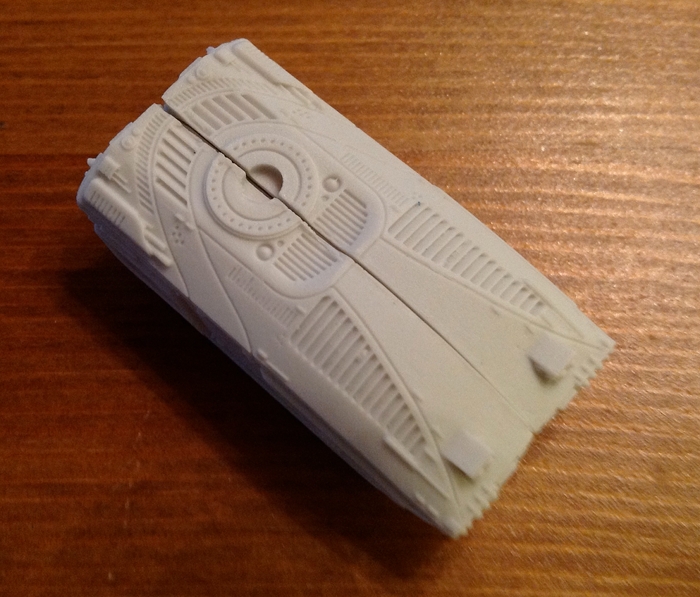
PHR Juno hull

This photo shows the general problem (dry fit, not properly assembled). The PHR’s most obvious visual identifier is their large, smooth surfaces. In the case of the Juno this is the gently sloping glacis plate.

Why do this? I’ve been wracking my brain for another model vehicle example from any other company , scale or period that is split like this and I can’t think of one. It’s just bizarre. Anyone else would have made the running gear separately and cast the hull as a single piece with the mould line horizontally around the edge. It would have made the hull a 3 part piece instead of a 2 part, but apart from that I cannot see a benefit to them for doing it this way. Maybe there’s some technical reason I’m missing. I can see a huge amount more work for me, the modeller, if I want to try and get anywhere near that lovely smooth front. You know, the lovely smooth surface with a major joint running slap-bang down the middle.

It is all the more weird because it just seems so careless and unhelpful which are not at all the vibes I get from the rest of either set. In many cases you get the sense that Hawk have really thought carefully about every detail, and then gone the extra mile to make it work well for the customer. And then there’s this. It’s just odd.

Now it’s obviously going to be fixable, it’s just adding a load of work that there’s no reason for. At least, not that I can see. If I fit it perfectly flush then it shouldn’t be too bad. I’m sufficiently careful and exacting about this sort of thing that I should be fine, but looking around the net images at other models and other modeller’s work I can see painted examples of these and other vehicles from Hawk where there is an obvious line down the middle. It’s clearly not helping the average modeller make models that show off Hawk’s nice designs to their best effect.


Conclusion

I love the design of the Junos and hate the way the models are built in two halves. Apart from that the rest of the set is excellent. Any minor casting issues I had were quickly resolved by Hawk who left me completely confident in purchasing anything from them. Whatever problems happened, they would be happy to sort them out. These are the kind of people you want to deal with. They clearly stand behind the quality of their product and are willing to put in some effort to make sure that the customer gets the product they should.

It’s just those Junos…

Posted in Review | 15 Comments

A Quick One

I was going to write some more about God of Battles, the design philosophy behind it, rule specifics, and so on. Rather than just ploughing on regardless like normal, I thought this time I’d ask if anyone had anything particular they’d like to know about. Or, perhaps, if you already know the game, if there was anything you thought particularly worth talking about and explaining to the uninitiated.

Of course, if nobody speaks up I’ll just have to ramble on at random…

Posted in God of Battles | 29 Comments

Secret Poetry

Well that was a pleasant surprise.

My normal morning trawl through the emails included one that tells me I’ve won the haiku competition on TGN. Cool.

The winning haiku was one of three I entered. My entry in total read:

Are you sufficiently zen to read this? Well, if you’re sitting comfortably on your tatami mat, with your green tea to hand in its raku bowl, and the blossom falling gently on the moss garden outside, then I’ll begin.

Colour going dry
Cannot re-blend luck and skill
Wet palette saves day

Or

Paint, pigment, powder
Alchemist blend of magic
Petite masterpiece

Or

Lonely years of paint
Completed finery wins
The proud father smiles

It was the middle one that won. A fun little task.

Secret Weapon isn’t a company I’ve dealt with before, mainly because they seem to focus primarily on their resin bases range (something I’m not much interested in) and are in the US. However, among the scenery details I can easily source locally there are some intriguing bits of their own that I can’t easily get in Blighty.

Oddly, this is not the first or even the second time I’ve written game-related poetry. Somewhere I’ve got a bunch on sonnets about Trollslayers…

Don’t ask.

Posted in Random Thoughts | 8 Comments

I Am Weak

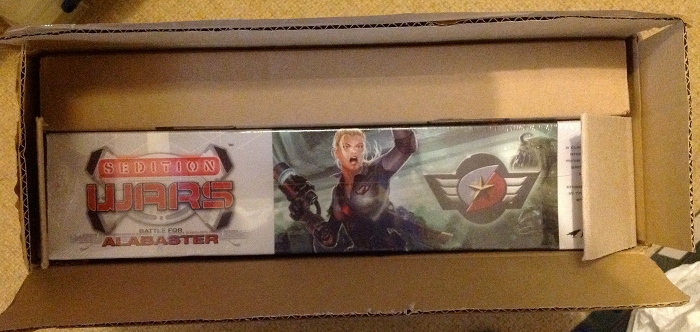
It was going to be goblins. Lots of them. I’d got piles of the little fellers piled up ready, then this nice chap in a snazzy brown outfit came and delivered a box.

Sedition Wars arrives

It’s shiny and it’s new.

It’s not my fault.

Posted in Random Thoughts | 30 Comments

Lost Patrol: New Rules – Scout Snipers

Lost Patrol logo on white bigger

When I designed Lost Patrol I was limited to the models that were available. This means that the Space Marine Scout squad in the box used the sprue of models that was around at the time. This included a sergeant and a heavy trooper, but no sniper.

Everyone knows that the snipers are the coolest of the Scouts, and I had a nice, simple way of adding them into the game, so here I am.


Adding A Sniper

At the beginning of a game, the Scout player can choose to swap the heavy bolter Scout for a sniper instead. This means that you will need to find a Scout sniper model. I just bought one on Ebay as I particularly wanted a pose from the old metal range. If you already have a Space Marine army then you’ve probably got some anyway.


In Game

The Scout Sniper rules are very simple and barely change the core rules. The sniper…

  • moves and fights in ambushes like other Scouts.
  • can shoot at any hex he can see other than the hex he is standing on (which he cannot shoot at). This includes hexes that contain other Scouts.
  • gets 1 dice per shoot action and kills a Lurker on a 2+.


Tactical Implications

It’s nice to finally be able to kill Lurkers reliably! Unfortunately, this might be a bit of a trap. The objective is not to kill Lurkers – there are an infinite number of them anyway, and only 5 Scouts. You need to be getting away.

SMSniperScoutsBy taking the sniper you gain the ability to kill at a distance, and fairly reliably take 2 counters off a stack each turn. There are times when this can be vital, especially if you can remove the last one of a stack so that it cannot be grown. You can, at times, blast a clear path for others to exploit.

On the other hand, you lose the ability to influence ambushes at a distance, and as ambush is often where the game is won and lost this may be more important.

But shootin’ stuff is fun!

Overall the sniper is an interesting variation rather than a major alteration of power between the forces. Using the sniper rather than the heavy weapons Scout requires an adjustment of tactics on both sides, and adding fun tactical variations is most of the point here (the other bit is finding excuses to use cool models).

Posted in Lost Patrol | 6 Comments

Sunday Support

Changing to this new (for me) discipline of posting specific topics on specific days is taking some getting used to, but I am getting there. Of course, this doesn’t mean that you guys necessarily get what you were expecting each time 🙂

Today, for example, is Sunday, so I am uploading some support for one of my games. Sunday Support. See – this one actually alliterates.

You’re probably expecting pdfs for the DreadBall FAQ (not yet – still collating) or perhaps something more for God of Battles. Well that’s had support articles already this week, so it’s the turn of Lost Patrol.

Yes, I know that there aren’t lots of copies about and that you can’t get it any more. I like it though, and have been playing quite a bit of late. If I could/can persuade someone to rerelease it I would/will. I think it’s a fun little game.

Posted in Random Thoughts | 27 Comments

God of Battles Designer’s Notes: Which Armies to Include?

GoB_LOGO on white webWell I could just list what’s in the book, but you know I won’t do that. Instead, before I get to the details of each individual army, I’d like to talk a bit about the overall philosophy I adopted for choosing the forces to go into this project.

Firstly, this is a commercial project. It’s Foundry’s game, so needs to help support their rather large range of fantasy figures. Some of these figures have been around for many years – fantasy is nothing new for Foundry. Other armies had been sculpted but were not released when I started to write this. All of these existing races had to be included. However, the brief allowed me a great deal of freedom to leave models out if they weren’t needed, or add things in (that could be sculpted and added to the ranges) if they would be characterful and fun. In addition I had to come up with at least one entirely new army that they would sculpt to my specifications. How cool is that?

The challenge here was that they wanted 10 armies in the book. That’s quite a lot.

On top of Foundry’s brief, I added some notions of my own.

  • Every army would have to look and play differently. Obviously with this many forces there would be similarities (there aren’t 10 radically different tactical styles to pick from).
  • Story was going to be important. In the end there are something like 20-25,000 words of background in the book, mostly in the army list sections. The histories of the various forces are interwoven and to get the whole picture you have to read them all.
  • I wanted to bring together other elements to add depth of character to each army, not just a colour scheme. Each army worships its own gods so gets its own set of miracles to call on. They all come from different places so they all have their own terrain tables. You get the idea.
  • Character is achieved by cool miniatures as well as text, so I built in as many opportunities for fun little projects as I could. Each army gets a camp and a baggage train for free, so there’s no excuse. These are great opportunities to show your army’s character. They are occupied by camp followers and sutlers who are also good for character and offer a chance to use those cool non-combatabt models which Foundry do so well. Every unit has a leader model who is critical for the game rules. He also dies last. This means that he is well worth the effort to model and paint distinctively as you know he’s important and will be on the table for ages.
  • For the armies, I wanted a range of different races from the familiar to the unheard of. Even in the familiar armies I would add a little spin so that things were a bit more interesting.


Types of Troops

God of Battles includes formed and loose troops of a wide variety of types. Perhaps the single most unusual facet of this overall mix is the rarity of cavalry. Several armies have none. There wasn’t really one reason why I did this, though it is a nice point of difference. It’s also worth considering that things are always more scary if they aren’t familiar, and the rare cavalry units, especially the heavies, are fearsome indeed when they do make an appearance. Even light cavalry are worrisome to face, not least because they can do their (historically) favourite trick of running round your flanks and sacking your camp – and that’s worth victory points!

Of course, in terms of rules it doesn’t matter whether you’re foot or cavalry in GoB. There’s no mechanical difference.


So Which Armies Made It?

I’d rather you worked out some of the more obscure links yourself so I won’t describe the background in detail. However, the following should give you enough of an idea to start cogitating on. I’ll use the formal army titles.

  • Battle Host of Quithnilian: this is the most formal and old fashioned of the elf armies, under the Emperor Quithnilian IV. Their armies are exceptionally well trained, at least the elves in them are. Most of Quithnilian’s soldiers are actually human vassals, organised in their traditional formations and used as cannon fodder by the elves: “if ten humans die instead of a single elf then the trade is well made”.
  • Sea Elves: this is an odd army as it exists partly between dimensions. Like their Imperial cousins, the Sea Elves bring many subjects and allies to war. Unlike their cousins, none of them are human. The Sea Elf Marines and the elite of Shushain’s Chosen are well trained and deadly. Unfortunately they are not plentiful. Armies often include units of Merfolk to bulk them out, and then there’s the Ambassadors of the Deep (one of my favourite units in the game).
  • The Godless Horde: in a world where the gods walk the battlefields dispensing blessings and curses, who but a fool would deny their existence? Well, this lot would. The Godless are regarded by most as entirely insane, and that’s about right. Insane, that is, in a particularly nasty and vindictive way. In fairness, it’s not really their fault, but that is little solace to their many victims. This is an elite army with the most expensive units in the game. They’re worth it. Godless armies will usually be outnumbered, though they can always bulk out their forces with the deranged remnants of their unspeakable tortures.
  • Norse Dwarfs: one of the more “normal” armies is the Norse Dwarfs. Basically, these are short, fat Vikings (with crossbows). They have no steam or gunpowder technology, and a grand total of zero war engines. However, they can sometimes persuade fire drakes to accompany the army. Oh, and the sky god they worship gives them one of the nastiest miracles in the game: Skies Fall.
  • Orc Warlords: professional brigands and bullies, as you’d expect. This includes goblins, orclings, wolf riders and lanky trolls. The army is surprisingly flexible with a wide variety of options available, though units of War Orcs are always a good standby. Goblins don’t turn up in massive units. Instead they are in relatively normal sized units – you can just have loads of them. I like this as a way to model the force gradually running off rather than a huge number either being OK or leaving a huge gap – it’s less binary. I envisage goblins as having a vast spectrum of abilities and bravery so having large tides of them moving at once feels wrong.
  • Mercenaries: this army is centred around the “Free” Cities – free, that is, from the meddling of the Elves. Their lands have been encroached upon by Quithnilian’s armies, and so they have turned to professional soldiering to both defend themselves and earn a crust. Foundry have long had orcs, dwarfs, ogres and humans all dressed in the same Renaissance finery of slashed doublets and be-ribboned hose, and this army is designed to include them all. In the background, this finery has become the symbol of the resistance to Elf dominion, contrasting as it does with the practical and rather dour equipment of Quithnilian’s vassal troops. The army has loads of choices and though the core is often humans it doesn’t have to be. This army is also the only one with black powder weapons as it is an invention of the Free Cities. There’s a reason why the Elves don’t want to use it.
  • Blood Gorged: these are beastmen. They live in the forest and over their short lives strive mainly to reach that pitch of perfect battle which forces a physical change from youngling to brute. They have little patience for subtlety and are a scary army to fight against. The Blood Gorged ability lets them save trophies from early kills to trade in for extra attacks later in the battle. If there’s anyone left to attack.
  • Lords of Undeath: a boney undead army. There are (shock, horror!) no zombies here, nor vampires. Instead there are a variety of grades of desiccated or picked-clean dead, resurrected with more or less care and skill. The trick to remember is that it takes more effort to raise someone with their memories and skill intact. You can’t train the undead, so if you want decent fighters you’ve got to find dead ones and carefully raise them up. Of course, any fool can raise the dregs if all you want is a big horde…
  • The Thousand Tribes: the Southlands are, predictably, far to the south. Here the sun shines and men dress like Conan. And why not? Actually it’s somewhat more African than that, but let’s not split hairs. Like the Mercenary army this offers a huge choice of tribes to fight with. Not quite a thousand, but a lot. This includes the second most expensive cavalry unit – Bison riders. In fact they have an unusual number of mounted options including pygmies on terror birds who are rather fun.
  •  T’lekkan Empires: the most bizarre looking of the armies is perhaps the T’lekkan. These insect warriors are literally bred for battle and have various troop types who are designed for specific tasks. They can take their Queen to the battlefield to inspire the army, but it is a risk. Luckily they can also take the behemoth to protect her.  As you might imagine, he is quite big.
Posted in God of Battles | 21 Comments

Dropzone Commander Review: Shaltari Tribes Starter Army Unboxing

Shaltari box

The Starter Armies are the smallest of the 3 sizes of pre-packaged army boxes for Dropzone Commander and all come with pretty similar sorts of things in. They also all weigh in at a little over 500 points, which is the smallest battle size listed in the rules. So they’ve thought about that, which is good.

Shaltari open box

When you open the box you see a half size tray in the blue foam that will be familiar to anyone with a Kaiser Rushforth figure case. It’s designed to protect the unbuilt contents of the starter set and doesn’t look like it will be an especially suitable shape to keep them in once the models are assembled (which is why I have another dozen cases). What it might be useful for is storing the dice, cards and so on for the game, and it will fit neatly into the figure case…

Nice idea, and very good quality packaging. Nothing had been damaged at all. The foam has done its job then.

The contents consist of some metal infantry at the top left, flying stands on the top right, a deck of cards on the left and the large section with all the resin parts for your army in ziplock bags.

Shaltari inf

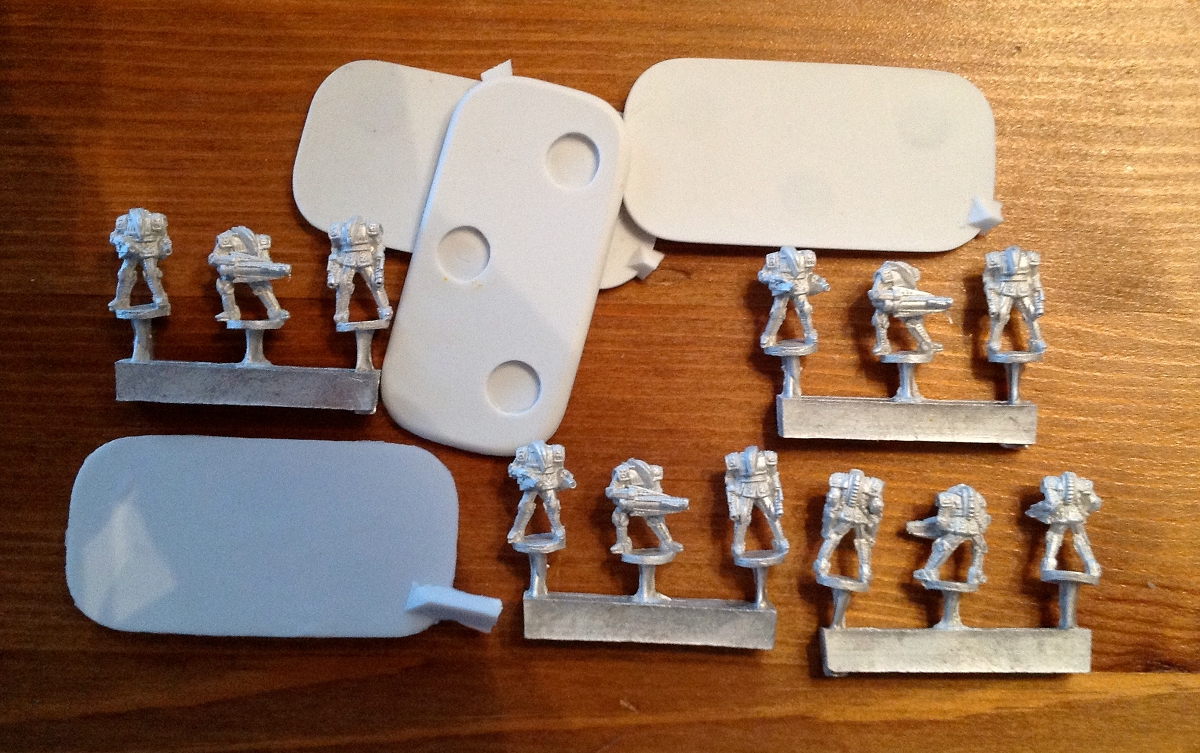
I’ve shown you the front and back of both infantry strips and bases. These figures are perfectly cast and well detailed. I’m very happy to see that they come in a variety of poses. I think they’re pretty good. The bases are nice and thin. A couple are ever so slightly warped, but nothing a bit of warm water shouldn’t fix. They have recesses for the round bases of individual figures, which should make assembly pretty simple. All in all, the infantry look top notch.

Shaltari flying stands

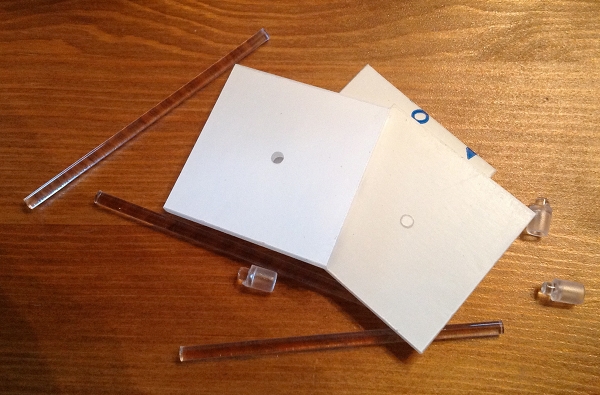
It’s hard to get especially excited about flying bases from any company. These seem robust enough though. The white is a backing sheet that should be removed. A clever idea is the little widgets that are soft and so can be glued onto the underside of the aircraft models and then pushed onto (and taken off) the flying stand stem as needed. This thoughtful touch means that the model can be removed from the stand for transport and should help them get to and from battles safely.

Shaltari cards

The 40 cards were wrapped, and in perfect condition (not always the case when card components get packed with miniatures). They are reasonable quality, though will probably still get sleeved because that’s what you do with cards you want to keep using.

Now we get to the meat of the set – the models.

Shaltari tomahawk tanks

These are Tomahawk tanks, the one on the right being upside down to show the detail on the underside. There’s a lot of detail all over these models.

Shaltari kukri AA

Kukri AA tanks have the same chassis as the Tomahawks, which makes sense. Again the one on the right is inverted.

Shaltari terragates

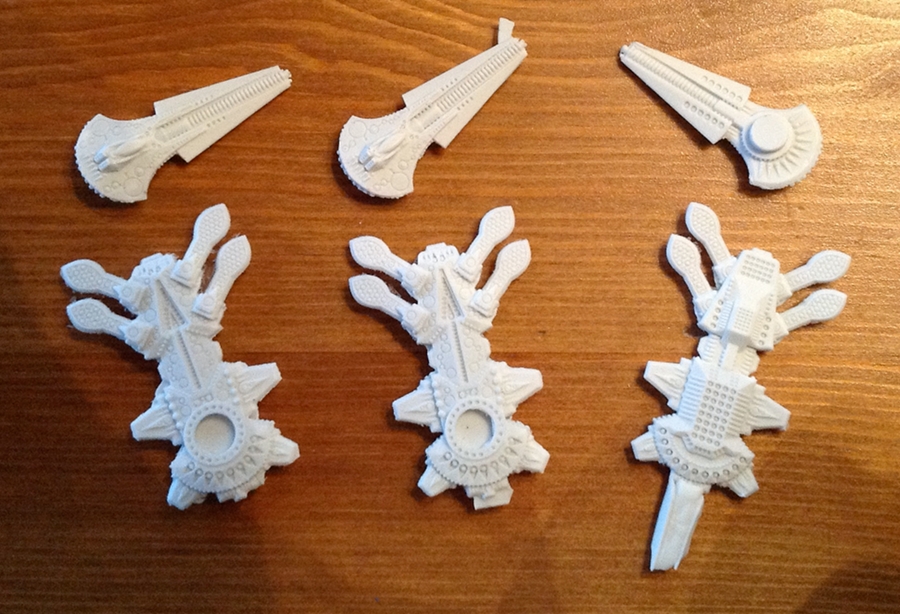
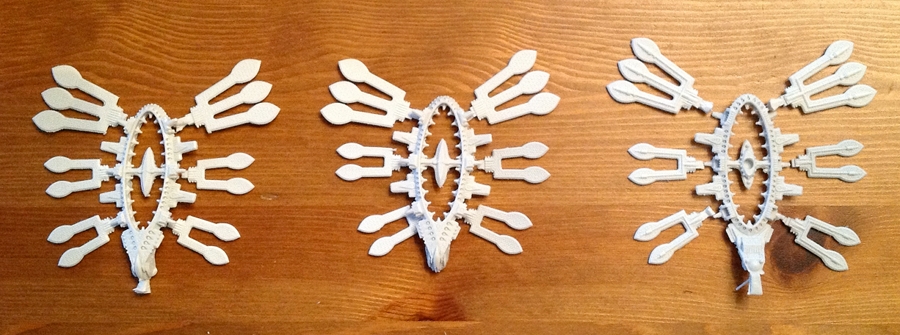
Now we start getting to the increasingly odd looking models. Especially when they’re in bits. These are Haven terragates. The Shaltari have a fondness for teleporting about the place, and this is one of their smaller efforts. The set on the right is inverted. As you can see, no part is too obscure or well concealed to escape the detail that romps over every surface.

Shaltari Eden gates

Laying these Eden gates out next to each other makes them look smaller on the page than they really are. These are the biggest things in the set. Upside-down on the right as usual, and covered with detail on every surface. Clearly the Shaltari have something against things being flat.

Quality Control

As I said earlier, DzC isn’t a cheap game even though I don’t think that it’s nearly as outrageous as some folk seem to think. They are also very clearly setting out their stall to sell a premium product and are proud of their quality. This combination means that we should expect nothing but the best. So what do we get?

Like any resin casting there are bits of flash from where the parts of the mould met. I actually find this slightly reassuring as it means that the resin has reached the areas it should, and in sufficient quantity. Models always need cleaning, and these are no exception. That said, the flashing was minimal and very fine.

Shaltari bubbles 1Bubbles are another unavoidable issue that resin is prone to. These models are perhaps not the very best resins I’ve ever seen, but they are definitely some of the better ones. There are a tiny handful of bubbles over the whole set, concentrated on one tomahawk turret. The vast majority of models have none.

Shaltari bubbles 2Looking closely it seems that this particular casting of the turret was not fed quite enough resin and the resulting lack hasn’t been enough to force all the air out (bubbles in the turret rear) or fully form the gun tip where the mould block is on the other examples.

I checked the other examples to see if this was a weakness of the design and they are all fine, so it looks like a one-off error.

The final quality issue stems in part from their habit of putting detail on every surface, regardless of whether you will ever see it or not when it’s assembled.

Shaltari infilled detailHere you can see the undersides of a couple of models. On the right you can see that the detail is filling in. If this was going to be obvious then I’d be wanting another as this will be a right old pain to fix and be obvious when it’s painted. However, as it’s underneath then there’s nothing to fret about. It won’t be visible anyway. On most models there would be no detail here in the first place.

Conclusion

Overall the feeling I get is that Hawk have thought carefully about this product, and added some elegant touches in an effort to provide a product that gives the gamer the best they can offer.

I’ve spoken to them about their policy on replacing miscasts and they said that they were happy to and always looked to see if they could improve and avoid them in future. It’s certainly the right attitude to have.

In this case I’ve looked closely at the quality issues not because there were loads of problems, but because they are sold as quality products. Do they hold up? On the whole I think they do. The models are cleanly cast with almost no bubbling and little flash or warping. A few models will need a bit of hot water to set them straight, but nothing major. To put this in perspective, the same problems occur with Forge World resins, and I’ve even had to get replacement parts from Smart Max. All of the issues mentioned here should be easily fixable as part of the process of normal preparation.

Overall this is a very good looking product.

Posted in Review | 20 Comments